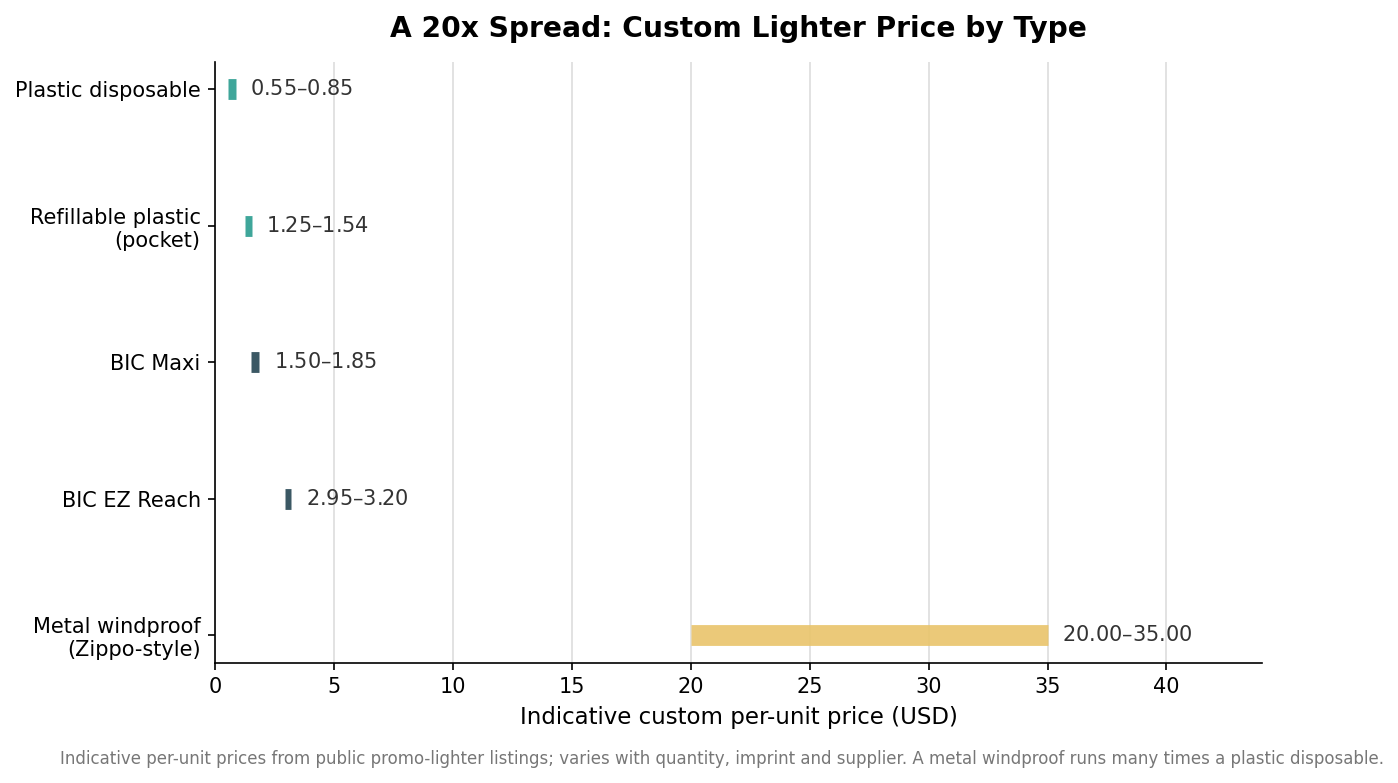
Put a branded plastic lighter and a branded metal flip-top on the same counter and the price tags tell two completely different stories. A custom plastic disposable can land under a dollar a piece, while a custom metal windproof lighter in the Zippo mold runs north of twenty dollars each. That is not a small upgrade; it is a roughly twenty-fold jump, and it changes what the item is for. Understanding what that premium actually buys, and when it is worth paying, is the difference between a smart gift and a wasted budget.
What drives the price gap
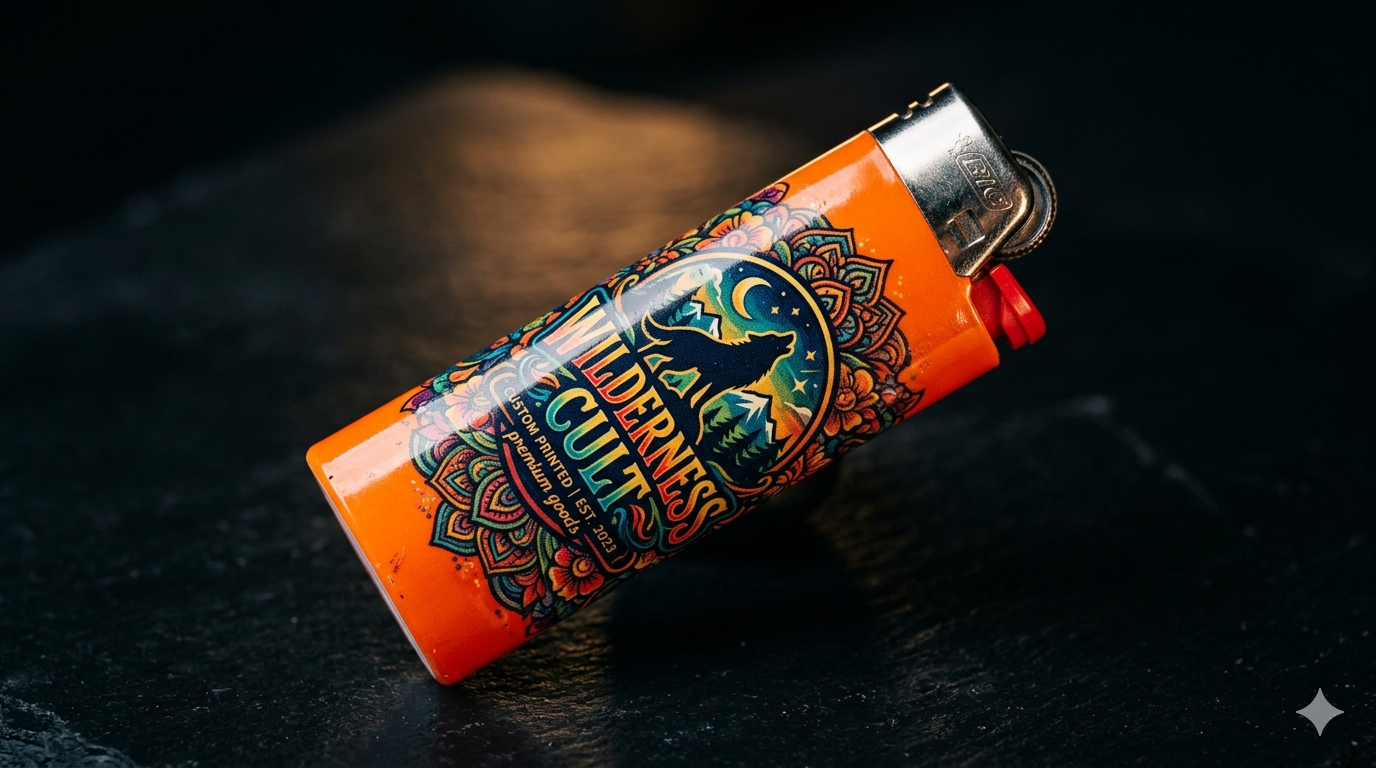
The gap is not markup for its own sake. A plastic disposable is exactly that: a sealed body, a fixed charge of fuel, and a striker, built to be made by the million and thrown away when empty. A metal flip-top is a machined, refillable mechanism, a hinged lid, a replaceable flint, a wick, and a wind-resistant chimney, wrapped in a solid metal case designed to be carried for years and handed down. You are paying for durability, refillability, wind resistance, and a heft that reads as a real object rather than a giveaway. The decoration differs too. Metal cases are typically laser-engraved, cutting your mark permanently into the surface, while plastic bodies are wrapped or printed, which looks great but lives on the outside of the item rather than in it.
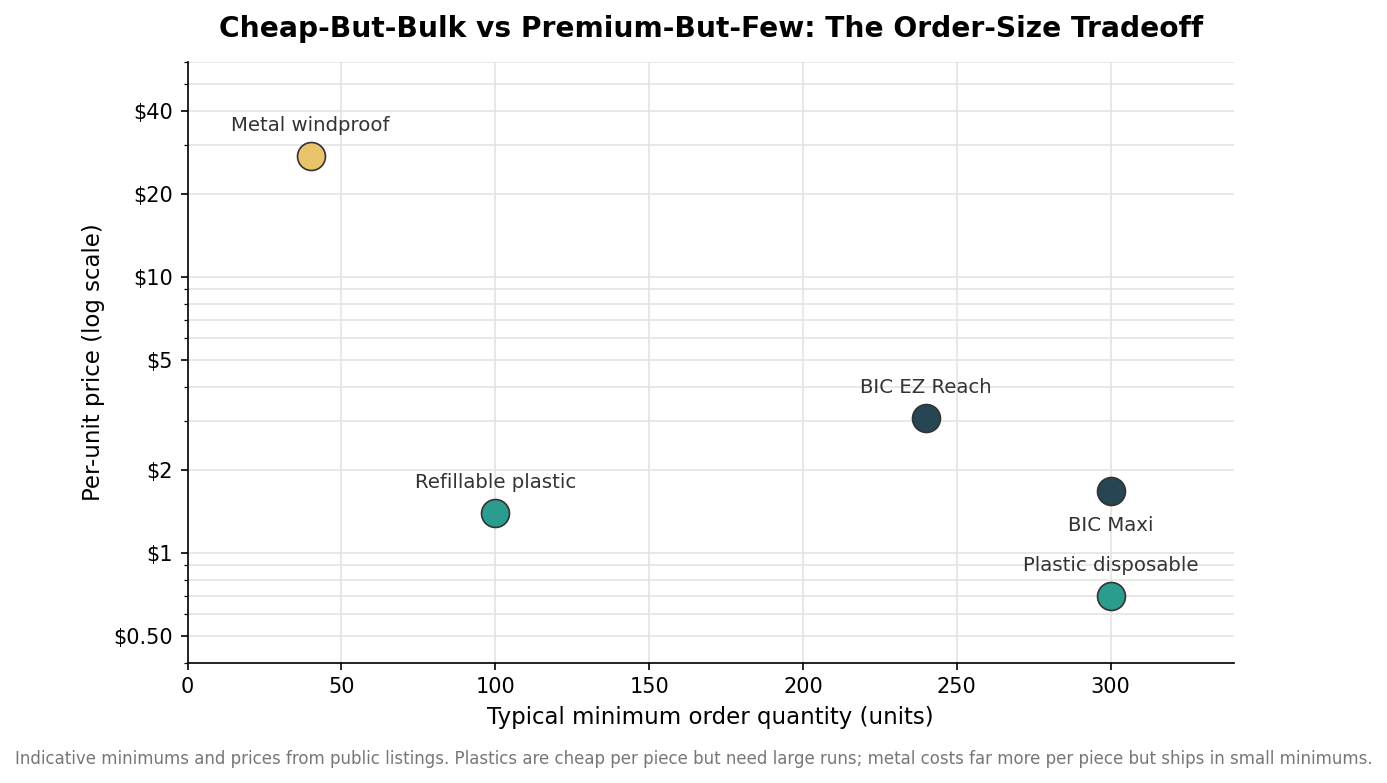
The order math points the same direction. Plastic lighters are cheap per piece but usually carry minimums in the range of a few hundred units, so the entry cost is a large run of an inexpensive item. Metal windproof lighters flip that: minimums are often just thirty to fifty pieces, but each one costs many times more. The result is two different ways to spend a similar amount of money, one on a crowd and one on a chosen few.
When the metal premium pays off
Metal flip-tops earn their price when the lighter is meant to be kept. If the goal is a keepsake or a gift with weight, the economics invert: a twenty-five dollar engraved lighter that someone carries daily for five years and refills without a thought delivers your brand or message every single time it is used, which no disposable can match. That makes them a natural fit for executive and VIP gifts, milestone and anniversary pieces, groomsmen gifts, high-end cigar lounges and members’ clubs, and any moment where the object is supposed to signal that thought and money went into it. The permanence of engraving reinforces the point, since the mark will outlast the fuel, the flint, and probably several wicks.
The low minimum is part of the appeal here. Because you can order a metal run in the low dozens, they suit small, deliberate batches, a set for a leadership team, a wedding party, or a limited anniversary drop, rather than a warehouse of stock. When the plan is to give a specific person something they will actually pocket and reuse, the metal premium is the whole point, not an overspend.
When plastic is the smarter spend
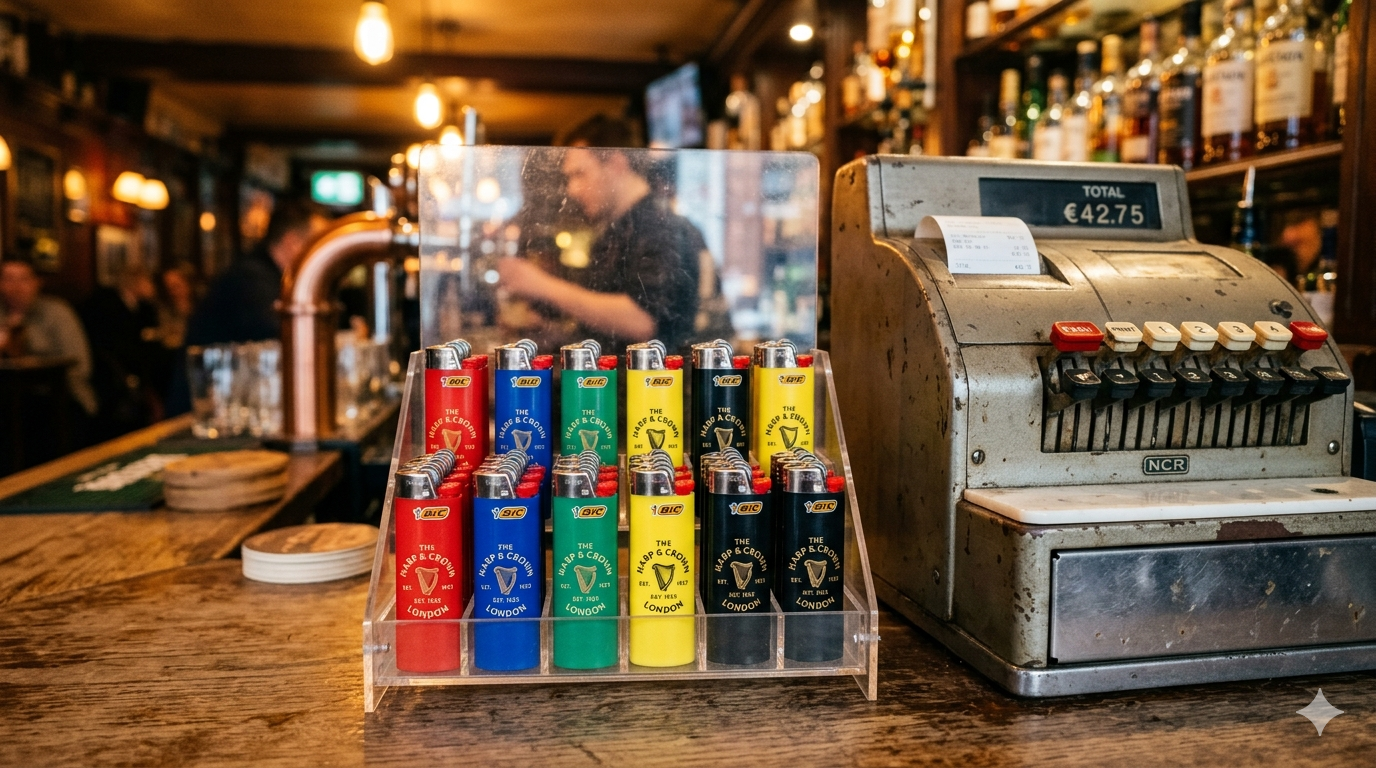
For volume, plastic wins on the only metric that matters at scale: cost per impression. If you are seeding a festival crowd, stocking a bar’s register, filling event bags, or handing out swag where you will never see most recipients again, spending twenty-plus dollars a unit is indefensible. A sub-dollar to roughly two-dollar plastic lighter, printed with a bold, legible mark, puts your brand in a thousand pockets for the price of a few dozen metal ones. Losses do not sting, because the item was always semi-disposable, and a strong wrap-printed graphic reads clearly across a room.
There is a middle tier worth knowing. Refillable plastic pocket lighters and premium disposables such as the BIC Maxi or the longer BIC EZ Reach sit between the throwaway and the metal keepsake, typically from just over a dollar to around three dollars a piece. They give a bit more perceived value and, in the refillable case, a longer life, without leaving the affordable, high-volume lane. For a lot of bar, brewery, and event programs, that middle tier is the sweet spot: nicer than a bottom-shelf disposable, still cheap enough to give away freely.
How to choose, and how to order
Start from the item’s job, not its price. If the lighter is a mass touchpoint meant to spread a logo as widely and cheaply as possible, buy plastic, invest in a clean high-contrast print, and order the volume the cost-per-impression math rewards. If the lighter is a gift meant to be carried and remembered, buy metal, engrave it, and order the small, deliberate batch the occasion calls for. Many brands do both in the same year: a large plastic run for the crowd and a small engraved metal run for the people who matter most, each doing a job the other cannot.
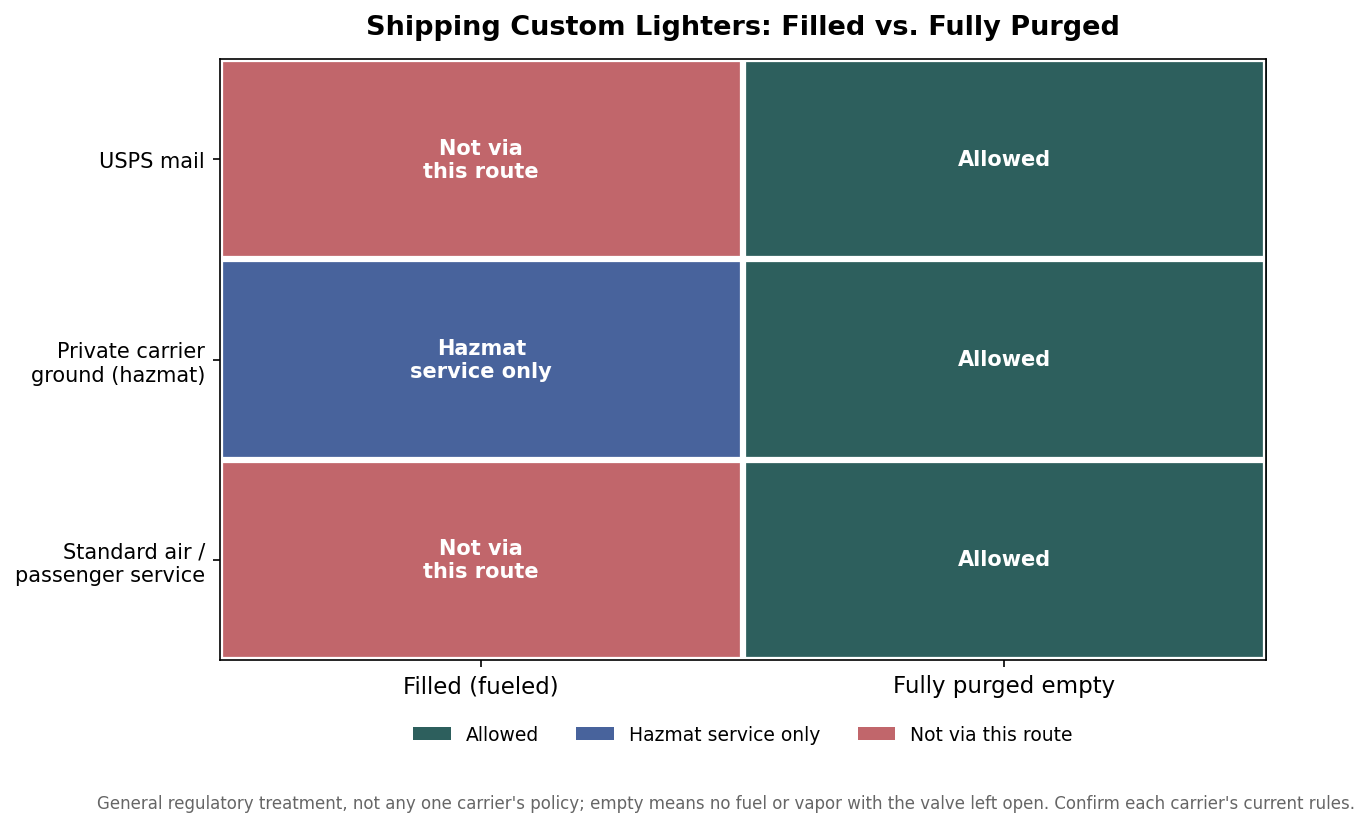
A few practical notes before you place an order. Match the decoration to the body, since engraving suits metal and wrap or pad printing suits plastic, and ask to see the imprint area for the specific model so your artwork fits cleanly. Confirm the real per-unit price at your quantity, because both tiers move with volume and imprint complexity, and check the minimum before you fall in love with a body you cannot order in the quantity you need. Finally, remember that lighters are a regulated flammable good, which affects how they ship and how quickly, so build a little lead time in regardless of which tier you choose. Decide whether you are buying reach or a keepsake first, and the twenty-fold price gap stops being confusing and starts being useful. The figures here are indicative ranges from public listings; confirm exact pricing, minimums, and lead times with your supplier for the model and quantity you order.